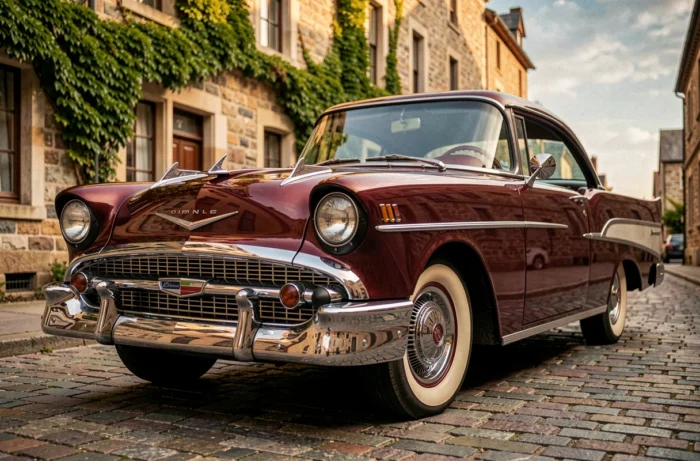
Classic cars hold a unique place in the French automotive landscape. With rising administrative fees, the evolution of low-emission zones, and a growing enthusiasm for models from the 1980s and 1990s, the news surrounding classic cars is no longer limited to just Sunday morning gatherings. Here are the topics that truly matter this fall of 2026.
Increase in FFVE fees on October 1, 2026: what changes for the classic car registration
Have you already requested a certificate from the French Federation of Vintage Vehicles (FFVE)? This document is essential for obtaining the classic car registration. Starting from October 1, 2026, the FFVE will be subject to VAT, which will automatically lead to an increase in the cost of certificates and the classic car sticker.
In practical terms, orders placed before September 30, 2026, will still be subject to the old rates. Beyond this date, expect a higher bill for each process. For owners considering converting a vehicle to classic car registration, the window to act at the old rate is closing quickly.
This increase directly affects enthusiasts who follow classic car news on the Les Voitures Anciennes website daily, as the classic status also conditions access to certain regulatory exemptions, particularly in urban areas.
Classic vehicles and ZFE: exemptions to know
Low-emission zones (ZFE) are multiplying in major French metropolitan areas. For classic car owners, the question is straightforward: can you still drive in the city with a vehicle registered before 1997?
In the Lille metropolitan area, the ZFE has covered the 95 municipalities of the MEL since January 1, 2025. Unclassified vehicles are generally prohibited from circulation there. However, vehicles with classic status benefit from local exemptions. This is a point that many collectors are unaware of or discover too late.
The link between classic car registration and ZFE is therefore strategic. Without this administrative status, a classic car may simply no longer be able to circulate in certain urban areas. And with the increase in FFVE fees mentioned above, the cost of accessing this protection is rising.
- The classic car registration allows exemptions from ZFE restrictions in several metropolitan areas, subject to local regulations.
- The rules vary from one urban area to another: each metropolis sets its own exemption conditions.
- The classic status applies to vehicles over thirty years old, provided that the FFVE certificate is obtained and the procedures are completed before the rates increase further.
Youngtimers from the 1980s-1990s: the new target for collectors
The classic car market is experiencing a marked generational shift. Buyers are increasingly turning to models from the 1980s to 1995, often linked to their own youth. Meanwhile, pre-war cars are seeing a slowdown in demand.
Why this shift? Collectors entering the market today grew up with models like the GTIs, Japanese sports cars, or European sedans from the late 20th century. These vehicles resonate with them; they have seen them on the street or in the family garage.
This phenomenon has a direct consequence on prices. Well-preserved youngtimers are increasing in value, while some rare pre-war parts struggle to find buyers at auctions. The emotional connection to a model now weighs as much as its mechanical rarity.
For enthusiasts looking for an accessible first classic vehicle, this trend opens up interesting possibilities. A model from the 1990s is often easier to maintain: spare parts are still available, mechanics are familiar with these engines, and the onboard electronics remain rudimentary compared to current automobiles.
Car auctions and collection events in 2026
The calendar of classic car events remains busy. Major international gatherings still account for most of the auction volume, where the rarest models change hands for considerable amounts.
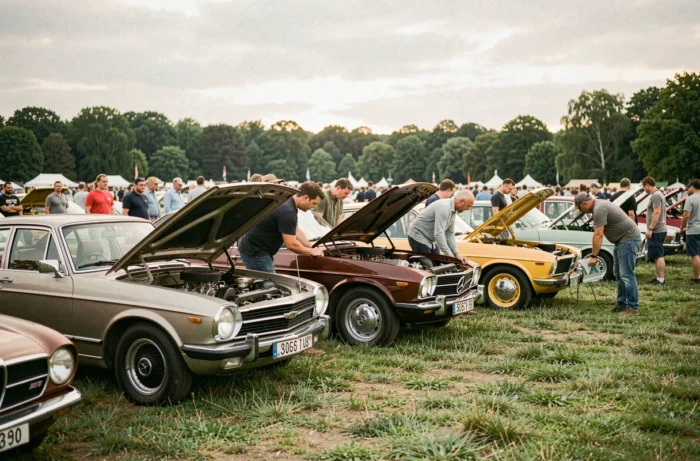
Outside of these prestigious events, the local scene remains vibrant. Regional gatherings, swap meets, and tourist rallies take place every weekend throughout France. These events allow enthusiasts to see rarely exhibited models, exchange technical advice, and find hard-to-find spare parts online.
Transmission of skills: a challenge for the coming decades
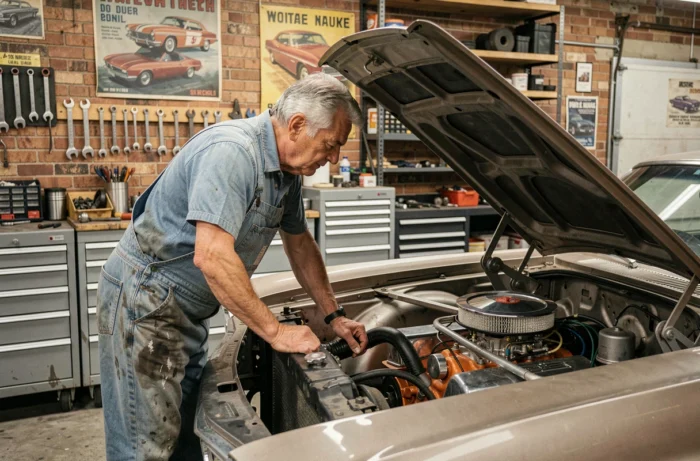
A less visible but equally crucial issue concerns the gradual disappearance of mechanical skills related to classic cars. Artisans capable of restoring a carbureted engine, rewiring an old electrical harness, or hand-working sheet metal are becoming rarer.
This reality weighs heavily in the long term. Without the transmission of these skills, certain models will simply become irreparable. Specialized training programs exist, but they attract fewer candidates than those oriented towards electric or hybrid vehicles.
The future of classic cars depends as much on mechanics as it does on collectors. A vehicle can sit in a climate-controlled garage for decades, but without the hands capable of restoring it to working order, it loses its purpose. This issue deserves as much attention as market values or upcoming auctions.